
Ghost Bat Gateway
Cave ecology and living systems
A cave is shaped by air, water, rock and life. Each changes what visitors notice underground.
Returning to the cave
A short slow-motion view of Macroderma gigas in flight, introducing the movement and sensitivity of cave-dwelling wildlife.
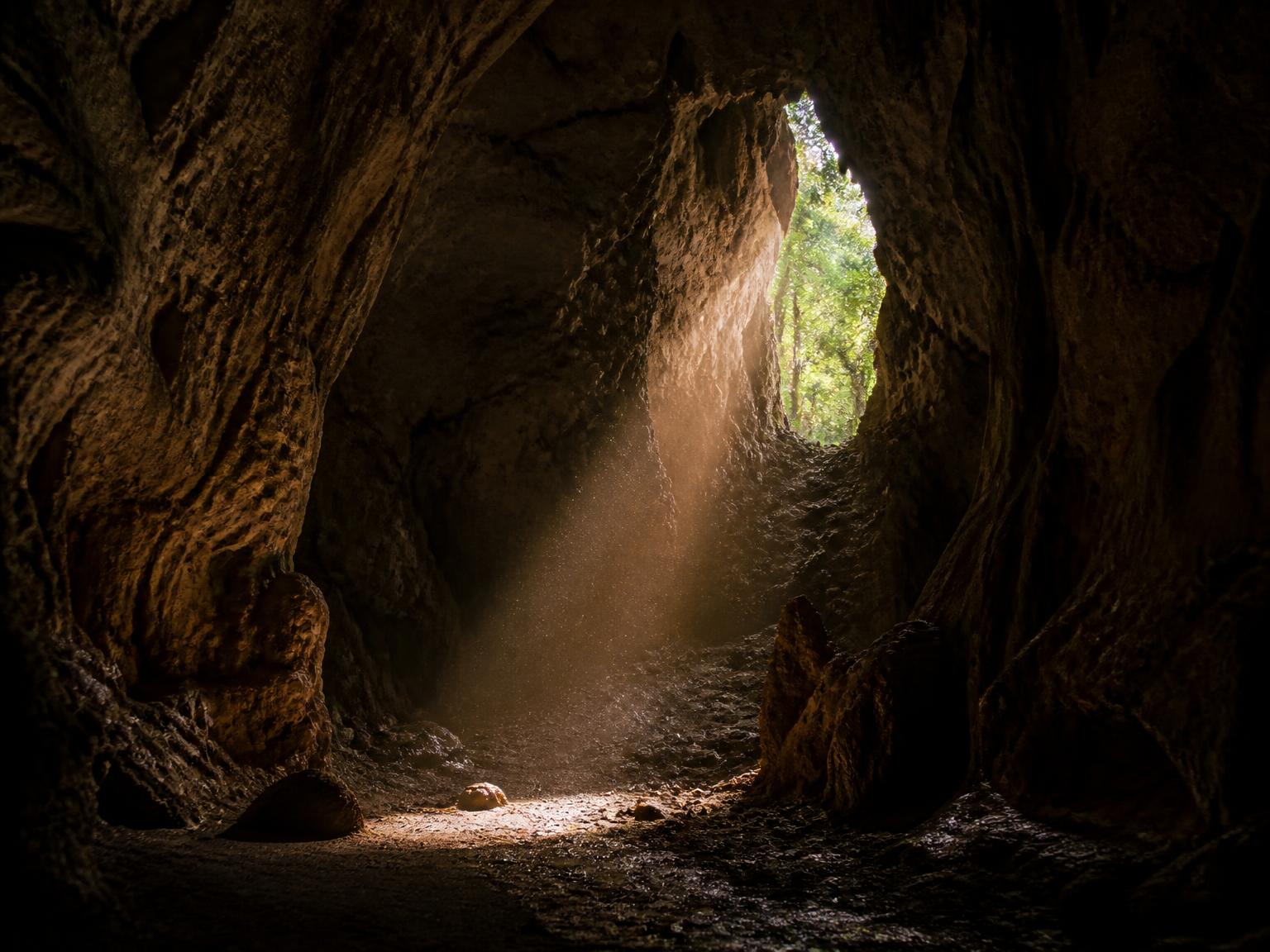
Cave threshold
Inside Capricorn Caves
Light, limestone and living habitat shape what visitors notice underground.
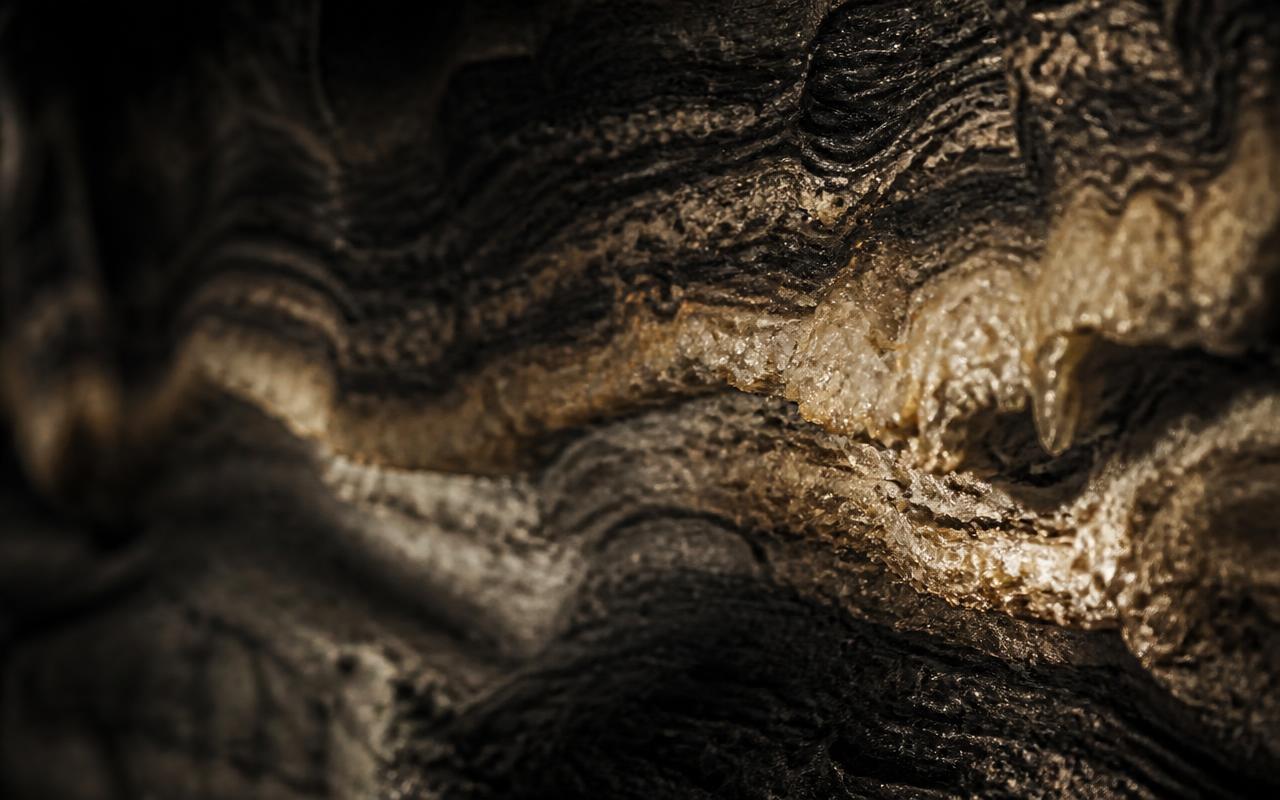
Cave systems as living ecology
Air, water and temperature stay steadier inside a limestone system than they do on the surface. Species that would struggle outside can live here, so the cave feels different the moment you step past the entrance.
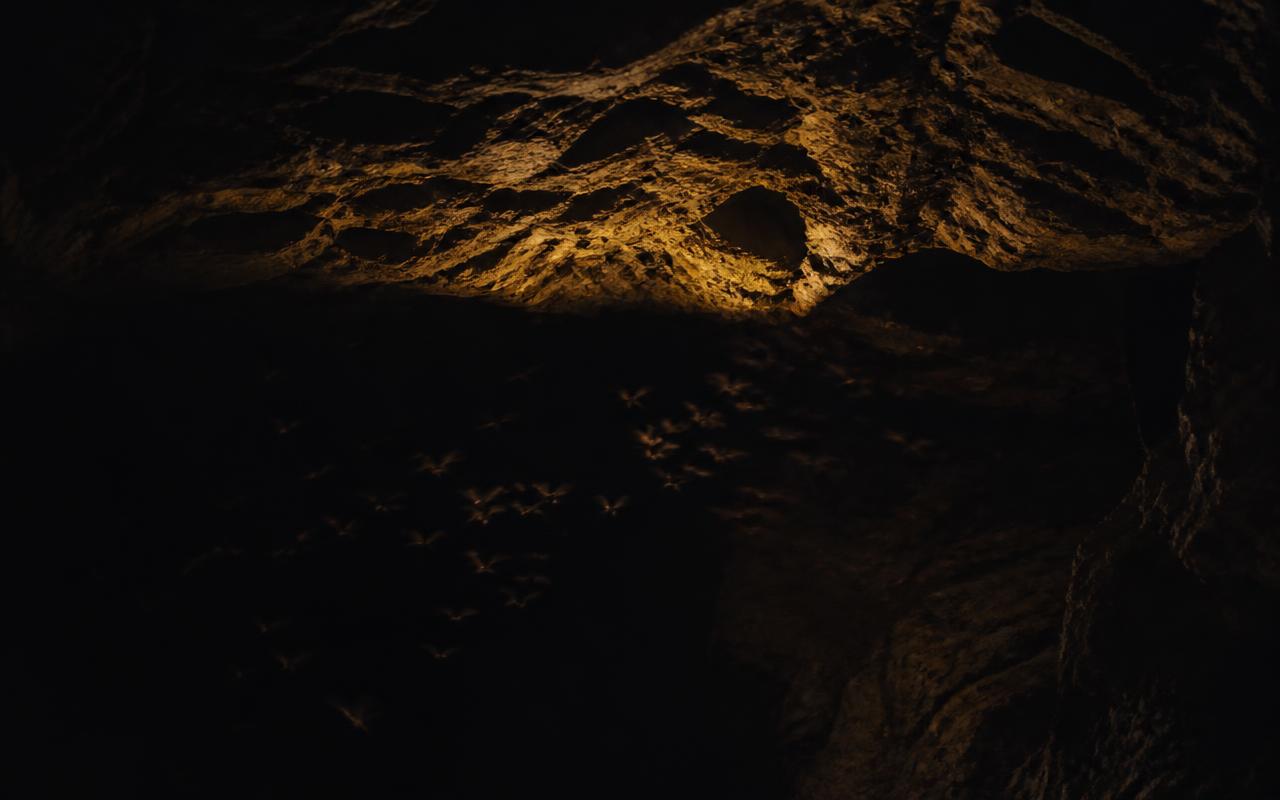
Ghost bats and habitat sensitivity
Ghost bats are a large Australian carnivorous bat associated with caves and sheltered rock country. Roosting animals respond to light, sound and disturbance, so quiet movement and respect for closed areas is part of visiting well.
Wildlife is never guaranteed on a visit. Check with the site before visiting.
What to notice
- The cave threshold and where daylight stops
- Light and darkness, and how your eyes adjust
- Air movement across your face and hands
- Sound, and how quickly it changes underground
- Rock texture, layering and mineral surfaces
- Living species and habitat cues
- How interpretation changes what becomes visible
What cave environments can reveal
Cave floors and walls keep material left by past water, weather and animals. Researchers read that material to work out how the country around the cave changed over time.
Why living species and deep time belong in the same story
The animals sheltering here now and the deposits under your feet are part of one record. Seeing both on the same visit connects today to a much longer timescale.